Our tradition
Wherever the race goes, dinner goes too.
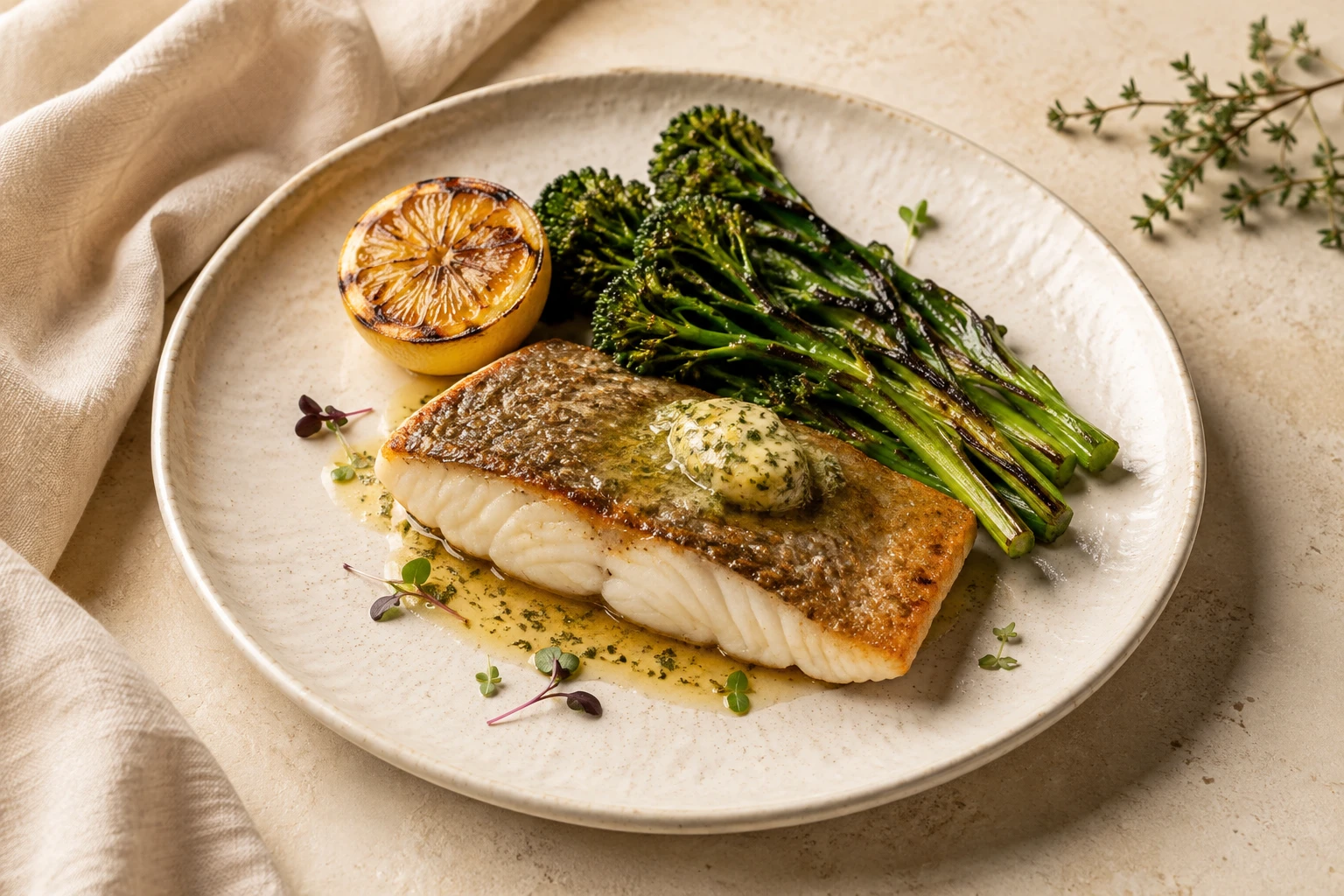
MELBOURNE Barramundi with lemon myrtle butter
SHANGHAI Red braised short ribs
SUZUKA Teriyaki salmon
MONACO Barbajuan
MONZA Risotto alla milanese
MEXICO CITY Tacos al pastor
A World, A Menu, A Race Weekend.
Every round opens a new country to taste. In our house, the formation lap doubles as the dinner bell.
The race weekend ritual
Five things, every round.
Discover the destination
Find out where the race is, what surrounds the circuit, and what the locals eat when nobody is filming.
Choose one dish
Pick something that belongs to that place. If you cannot pronounce it yet, even better.
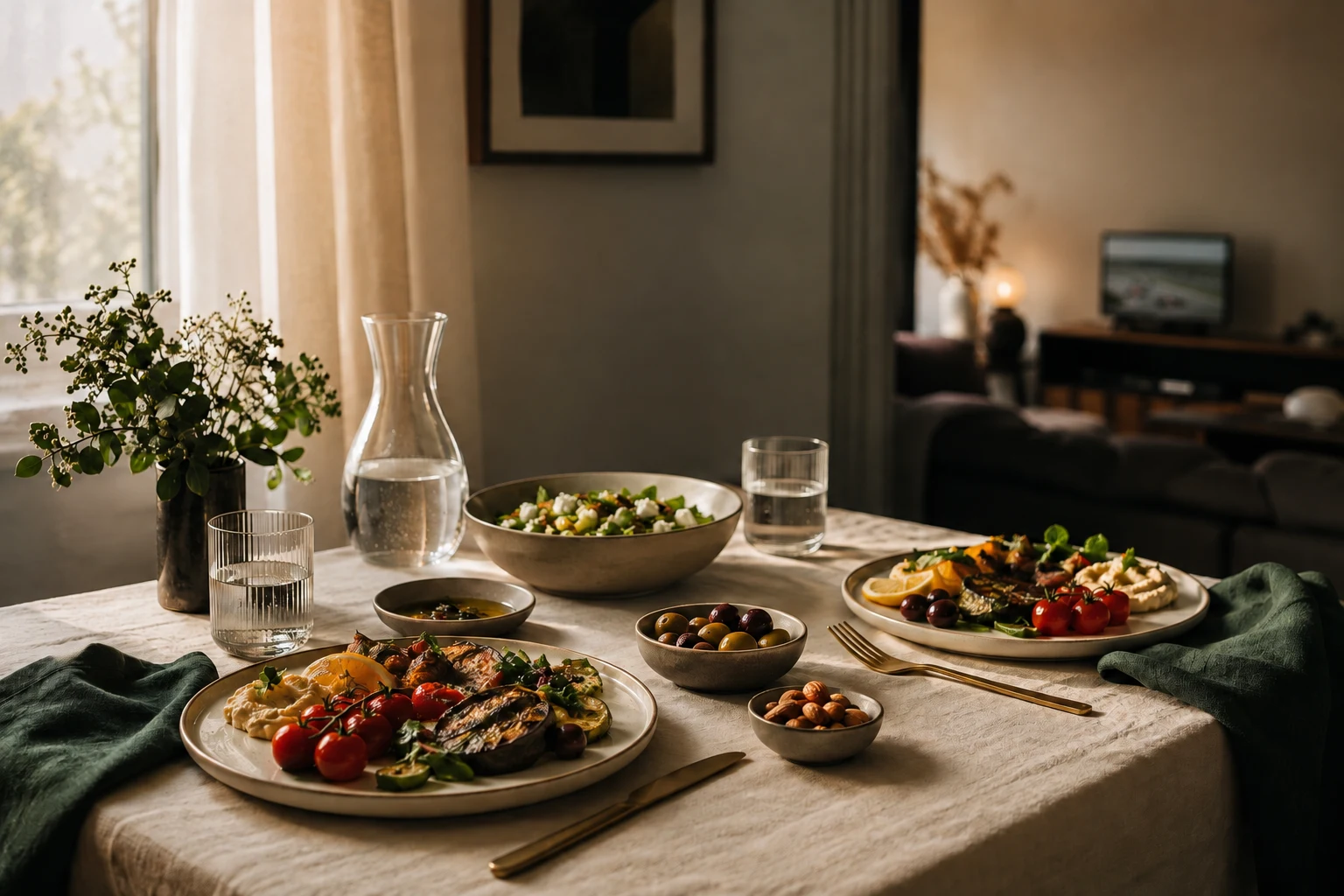
Share the table
Sit down together. The meal is the reason, the company is the reward, and the leftovers are the bonus.
Watch the race
Lights out, plate in hand. Years later, one bite will bring the whole race back, including the parts you would rather forget.
Repeat next round
Next round, a new country. By the finale you have eaten your way around the world without queuing at a single airport.




 Coming soon