Dressed for the paddock.Priced for the grandstand.
Travel the Formula 1 calendar from your own kitchen. Search any driver, circuit, country or race since 1950, then bring that place to your table. No passport required, though an apron helps.
Every driver leads to a country, every country to a circuit, and every circuit, eventually, to dinner.
This race weekend
Where it began
A mother and son.
A world of tradition at our table.
Podium Plates brings together two passions: my mother's love of cookbooks and my love of Formula 1.
Over years of travel, she built a collection of cookbooks from around the world, while I have followed Formula 1 for many years. When we began watching the races together, we started to wonder what it would be like to cook a meal from wherever the race was being held that weekend.
Her collection made that possible, and what began as a single meal soon became a tradition. For years we joked about turning it into a cookbook that follows the Formula 1 season, and eventually we decided to make it real.
Podium Plates is our way of sharing that tradition with others. For every race, we research the location, the circuit, the drivers and the local food, so that anyone can bring the race weekend to their own table.
We make it independently, as a mother and son, and we hope to continue it with a new edition every season.
Every contribution goes toward researching, writing and printing the first edition.
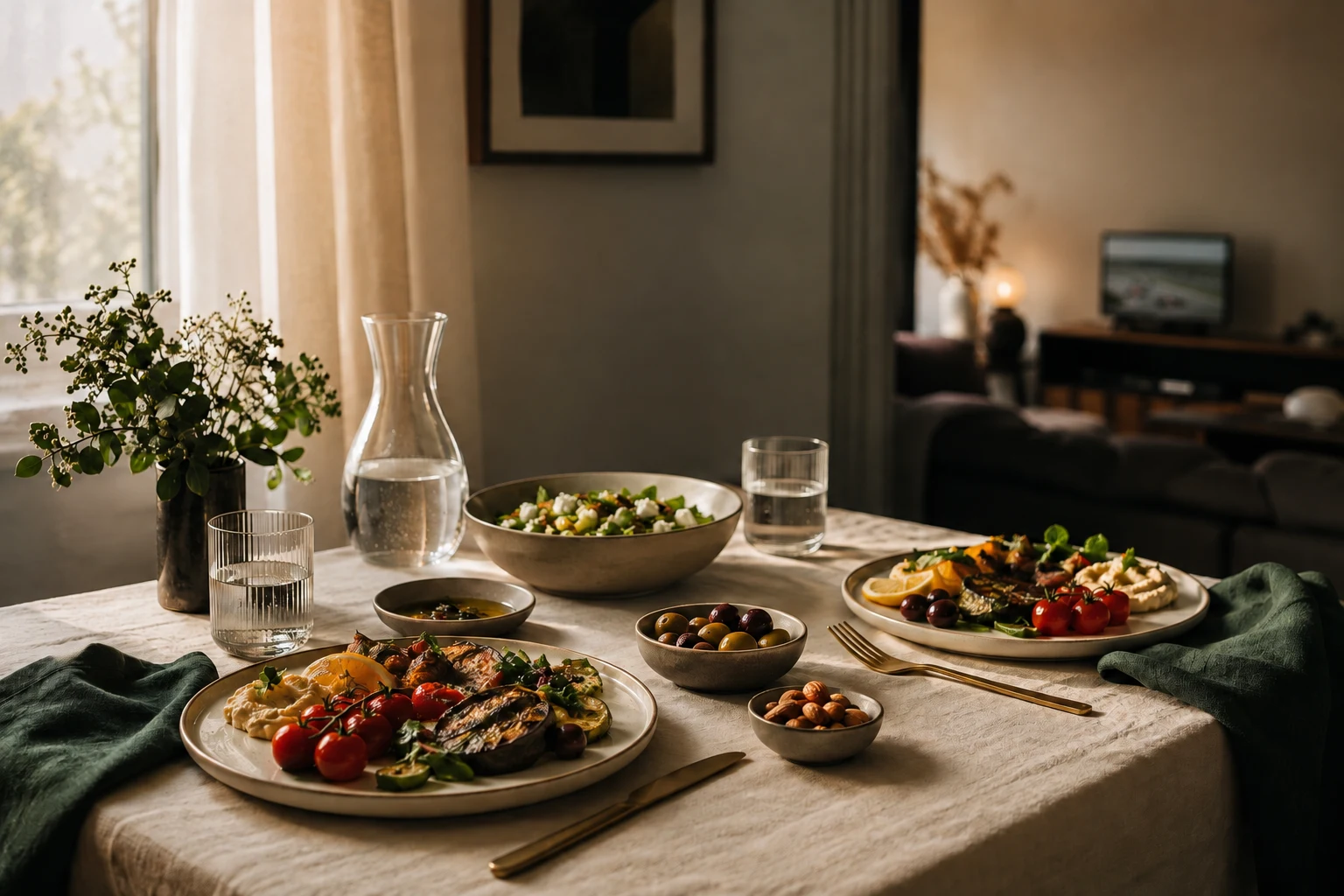
An illustration of our race weekend table. Photos from our own kitchen are on the way.
Our tradition
Wherever the race goes, dinner goes too.
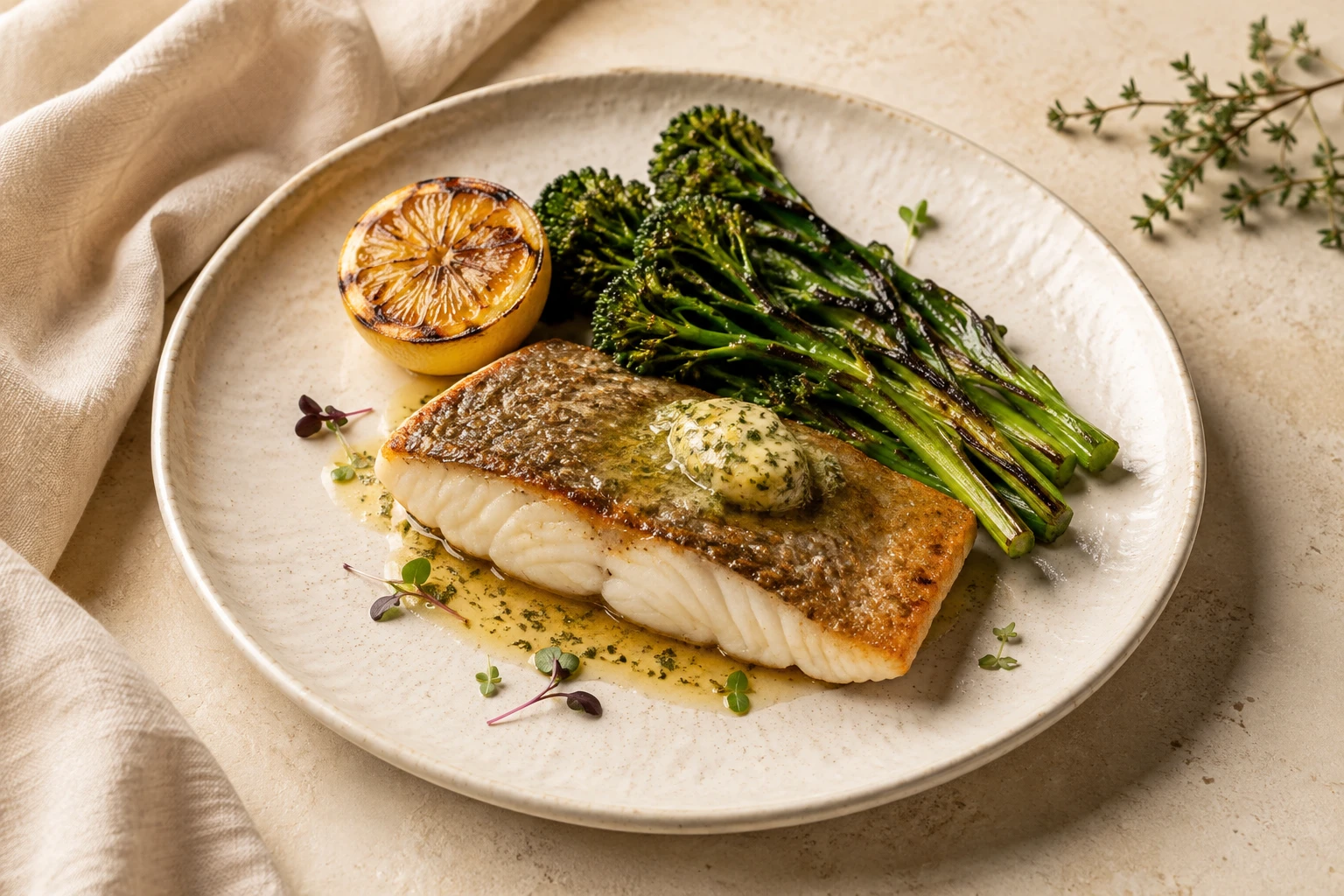
MELBOURNE Barramundi with lemon myrtle butterSHANGHAI Red braised short ribsSUZUKA Teriyaki salmonMONACO BarbajuanMONZA Risotto alla milaneseMEXICO CITY Tacos al pastor
A World, A Menu, A Race Weekend.
Every round opens a new country to taste. In our house, the formation lap doubles as the dinner bell.
The race weekend ritual
Five things, every round.
Discover the destination
Find out where the race is, what surrounds the circuit, and what the locals eat when nobody is filming.
Choose one dish
Pick something that belongs to that place. If you cannot pronounce it yet, even better.
Share the table
Sit down together. The meal is the reason, the company is the reward, and the leftovers are the bonus.
Watch the race
Lights out, plate in hand. Years later, one bite will bring the whole race back, including the parts you would rather forget.
Repeat next round
Next round, a new country. By the finale you have eaten your way around the world without queuing at a single airport.
The first cookbook
The Founders Edition
One chapter for every round of the season. Each one carries you to the host city and home again, with dishes made for an ordinary kitchen and stories worth telling over them.
One thousand copies, numbered and signed by hand. Five hundred hardback, five hundred paperback, and a digital edition for everyone else.
Every dish belongs to the place the race visits, and we research it in the culture it comes from. When a recipe is our own take, we say so, rather than inventing a grandmother we never had.
Written for any kitchen
Every recipe is written so a first time cook can follow it from the chopping board to the plate, with swaps for hard to find ingredients and versions for every kind of diet.
Every fact traced to a source
Dates, results and history are checked against more than one source before they reach a page. The stewards would approve.
Independent and unofficial
We are fans of food and racing. Podium Plates is not connected to Formula 1, the FIA or any team, though we would happily feed all three.
Where the book is todayFirst three chapters drafted
Australia, China and Japan are written. The rest of the season is being researched now.
Be part of it
Pull up a chair with us.
Founders Edition
Buy the cookbook
One thousand numbered and signed copies, from $49.99, and a digital edition at $19.99. Leave your email and you will hear the moment orders open, well before the lights go out.
Pull up a chair with our community of cooks and race fans, and unlock the whole archive back to 1950, for $3 a month.
Every season since 1950, with its story and full results
Every recipe, with its full method, swaps and dietary versions
A race weekend menu with one combined shopping list
Printable recipes and every result for every search
New member features as we add them
Join at $3 and keep that price for as long as you keep your seat. Cancel anytime.
A yearly seat, $99 a year. Everything above, plus each new Podium Plates cookbook sent to you every year, with early access before anyone else. Coming soon
Support our journey
Help a mother and son turn a family tradition into a book worth keeping. Every contribution goes toward researching each chapter and printing the first edition.
One time, from $1
PayPal, Venmo or card
Support is not a preorder or a donation, and is not tax deductible.
Questions
Before you pull up a chair.
What is the Founders Edition?
Our first cookbook, limited to one thousand printed copies: five hundred hardback at $79.99 and five hundred paperback at $49.99, plus shipping. Every printed copy is numbered and signed by both of us, so it comes to us first and then travels on to you, which takes a little longer than an ordinary parcel. The digital edition, at $19.99, is unlimited.
When can I buy the cookbook?
We are writing it now, one chapter per race weekend, which is roughly the pace of the sport itself. Join the list above and you will hear first when orders open.
What is The Podium Table?
The Podium Table is our community of cooks and race fans, and a seat is $3 a month. It opens every season back to 1950, with its story and full results, every recipe with its swaps, dietary versions and shopping list, and every result for every search. Join at $3 and you keep that price for as long as you stay. A yearly seat, coming soon at $99, adds each new cookbook sent to you every year, with early access.
What can I see for free?
Something from everything. Every season has its calendar, its winners and the opening of its story; every race has its top five; every driver, circuit, country and team has its profile; and every country has a signature recipe. The last five seasons and five landmark years are free in full. A seat at The Podium Table adds the rest.
Do I need to follow Formula 1 to use it?
Not at all. The calendar is simply our excuse to travel by plate. Every recipe works perfectly well on a Tuesday, no safety car required.
Where does the race history come from?
The archive is built from Wikidata, a free public database, and checked against the season and race results published on Wikipedia. Every page shows what it was checked against.
Is this an official Formula 1 product?
No. Podium Plates is an independent, unofficial cookbook made by a mother and son. It is not associated with Formula 1, the FIA or any team. We simply cook, very enthusiastically, in their direction.
The race programme
Every Grand Prix, in your inbox.
A few days before every Grand Prix: the circuit and what makes a lap there, who has won before, the storylines and the standings, and a menu from the host country to cook while you watch. Free, and as easy to leave as it is to join.
Your next race weekend starts at the table.
Start with this weekend's Grand Prix, or wander any season since 1950. Bring an appetite; we will bring the history.
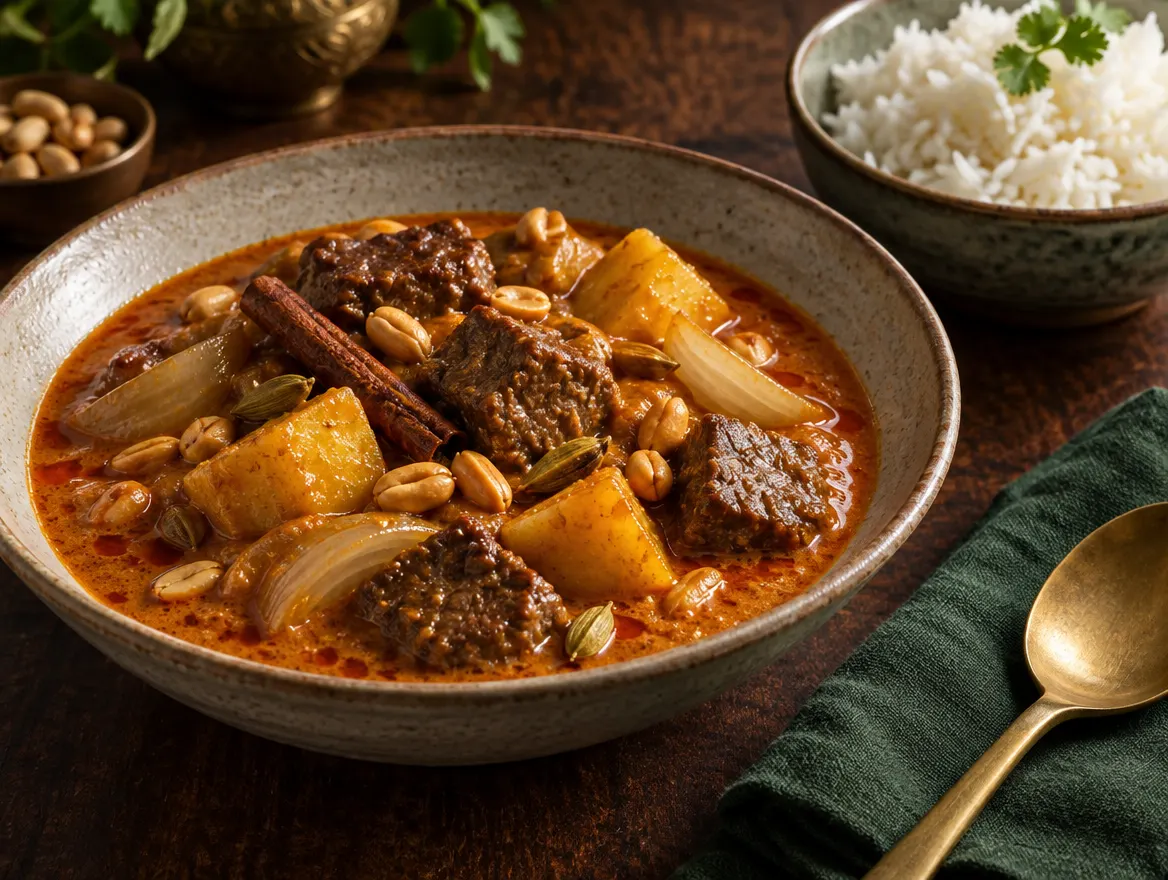
Beef slow simmered in coconut milk until it falls apart, in a rich, gently spiced curry of roasted chili, cardamom, cinnamon and clove, with soft potatoes, sweet onions and roasted peanuts, balanced with palm sugar, fish sauce and tamarind.
Massaman is the Thai curry for people who think they do not like Thai curry. It is mellow rather than fiery, rich with coconut milk and scented with the warm dried spices of the old trade routes, cardamom, cinnamon, clove, star anise and cumin, alongside the lemongrass, galangal and chili of the Thai kitchen. The name is an old corruption of a Persian word for Muslim, and nineteenth century writers in English called it Mussulman curry. Where exactly it was born is still debated: some historians place it at the cosmopolitan royal court of Ayutthaya in the seventeenth century, where Persian merchants were influential; others see it as a dish of the Muslim south, shaped by Malay and Indian cooking.
Its literary credentials are hard to beat. Around 1800, Prince Itsarasunthon, later King Rama II, wrote a poem in praise of the food of the royal household, and massaman is in it, fragrant with cumin and strong spices. More than two centuries later, a CNN readers' poll in 2011 named it the most delicious food in the world. Few dishes have had reviews from a king and the internet and come out well in both.
This version starts with a homemade paste of roasted aromatics and toasted spices, which is the difference between a good massaman and a memorable one, but a good shop bought massaman paste will do on a busy race weekend. Either way, the beef needs time, and the curry is better still the next day.
The massaman paste
Ingredients
8 large dried red chilies
6 shallots
10 garlic cloves
1 lemongrass stalk
1 inch (2.5 cm) piece galangal
1 tablespoon coriander seeds
1 teaspoon cumin seeds
4 cloves
1 star anise
1 inch (2.5 cm) piece cinnamon stick
4 cardamom pods
1/4 teaspoon ground nutmeg
1 teaspoon fine salt
1 teaspoon (5 g) shrimp paste
Method
Snip the dried chilies into short pieces with scissors and put them in the small bowl. Pour over just enough boiling water to cover and leave them for 15 minutes.
Heat the heavy frying pan over medium heat with nothing in it. Add the unpeeled shallots and garlic, the lemongrass, the galangal and the foil packet of shrimp paste. Cook for 8 to 10 minutes, turning everything often. Take out the shrimp paste after 2 minutes and the lemongrass and galangal after about 4. Let the shallots and garlic cool, then peel them.
In the small dry pan over medium low heat, toast the coriander, cumin, cloves, star anise and cinnamon for 2 to 3 minutes, shaking the pan, then add the cardamom seeds for the last 30 seconds. Tip them onto a plate to cool, then grind them to a fine powder with the nutmeg.
Drain the chilies, keeping the soaking water. Put the chilies, peeled shallots and garlic, lemongrass, galangal, shrimp paste, ground spices and salt in the blender with 3 tablespoons of the soaking water. Blend for 2 to 3 minutes, scraping down often, adding a little more water only if the blades stop turning.
The beef
Ingredients
2 lb (900 g) beef chuck or shin
2 cans (13.5 fl oz / 400 ml each) full fat coconut milk
1 1/2 cups (360 ml) water
1 cinnamon stick
4 cardamom pods
2 bay leaves
1 teaspoon fine salt
Method
Open the cans without shaking them. Spoon the thick white cream from the top of both cans into a bowl, about 1 cup (240 ml) in all, and set it aside for frying the paste. Keep the thinner milk underneath separately.
Put the beef in the large pot with the thin coconut milk, the water, the cinnamon stick, cardamom pods, bay leaves and salt. Bring it slowly to a boil over medium heat, then turn the heat to low.
Partly cover the pot and simmer gently for 1 1/2 to 2 hours, stirring now and then and skimming off any grey foam. Add a splash of hot water if the liquid drops below the meat.
Finishing the curry
Ingredients
1 cup (240 ml) coconut cream
all massaman paste
1 lb (450 g) waxy potatoes
1 large onion
1/2 cup (75 g) roasted unsalted peanuts
3 tablespoons (40 g) palm sugar
3 tablespoons (45 ml) fish sauce
3 tablespoons (45 ml) tamarind water
Method
About 40 minutes before the beef is ready, heat the coconut cream in the heavy frying pan over medium heat, stirring, for 3 to 4 minutes. Add the massaman paste and fry it, stirring and scraping constantly, for 6 to 8 minutes.
Scrape the fried paste into the pot of beef and stir well. Rinse the frying pan with a ladle of the curry liquid and pour that back in too.
Add the potatoes, onion and peanuts. Simmer uncovered over low heat for 25 to 30 minutes, stirring gently from time to time so the potatoes do not catch on the bottom.
Stir in the palm sugar, fish sauce and tamarind water and simmer for 2 minutes more. Taste it. Massaman should be gently sweet first, then salty, with a soft sour finish. Add more fish sauce for salt, palm sugar for sweetness or tamarind for brightness, a teaspoon at a time.
Jasmine rice
Ingredients
2 cups (400 g) jasmine rice
2 1/2 cups (600 ml) water
Method
Rinse the rice in a sieve under cold running water, swirling it with your hand, until the water runs nearly clear. Put it in the saucepan with the water and bring to a boil, then cover, turn the heat to its lowest and cook for 15 minutes.
Take the pan off the heat and leave it covered for 10 minutes, then fluff the rice gently with a fork.




 Coming soon